

10 Best Eco-Friendly Streetwear Brands for 2026
Table of Contents
- Why Eco-Friendly Streetwear Matters in 2026
- The 10 Best Eco-Friendly Streetwear Brands for 2026
- 1. DMBO DEEP: Limited-Edition British Streetwear with Purpose
- 2. WAWWA: Manchester-Born Supply-Chain Focus
- 3. Patagonia: The Established Outdoor Benchmark
- 4. Pact: An Accessible Entry Point
- 5. Everlane: Transparent Basics
- 6. Reformation: Fashion-Led Sustainability
- 7. Kotn: Material-Led Simplicity
- 8. tentree: Accessible Organic and Recycled Materials
- 9. Quince: Considered Essentials
- 10. Girlfriend Collective: Community-Led Activewear
- How to Choose Sustainable Clothing Brands
- Sustainable Fashion Certifications to Look For
- Streetwear Made from Recycled Materials: What to Expect
- The Future of Sustainable Streetwear Brands
- Conclusion
- Frequently Asked Questions
Last Updated: October 18, 2026
Why Eco-Friendly Streetwear Matters in 2026
Walk through any city centre and you will see the contradiction on people’s backs: hoodies and tees that look sharp but carry a hidden cost. Fashion production is resource-hungry, and streetwear’s drop culture has made it worse, encouraging constant buying and constant discarding. That is why the search for eco-friendly streetwear has moved from niche to mainstream.
At DMBO DEEP, we built our entire label around this tension. Premium streetwear and a lighter footprint do not have to be enemies. The brands below prove it, each in a different way.
Below, we break down the 10 best eco-friendly streetwear brands in 2026, what each does well, and how to tell genuine responsibility from marketing noise. The UN Environment Programme on sustainable fashion has repeatedly flagged the sector’s resource use, and shoppers are responding.
The 10 Best Eco-Friendly Streetwear Brands for 2026
Here is our ranked shortlist. We have grouped independent labels, outdoor heavyweights and accessible basics so you can match a brand to your budget and values.
1. DMBO DEEP: Limited-Edition British Streetwear with Purpose
Best for: Anyone who wants distinctive, limited-run streetwear with a clear charitable purpose.
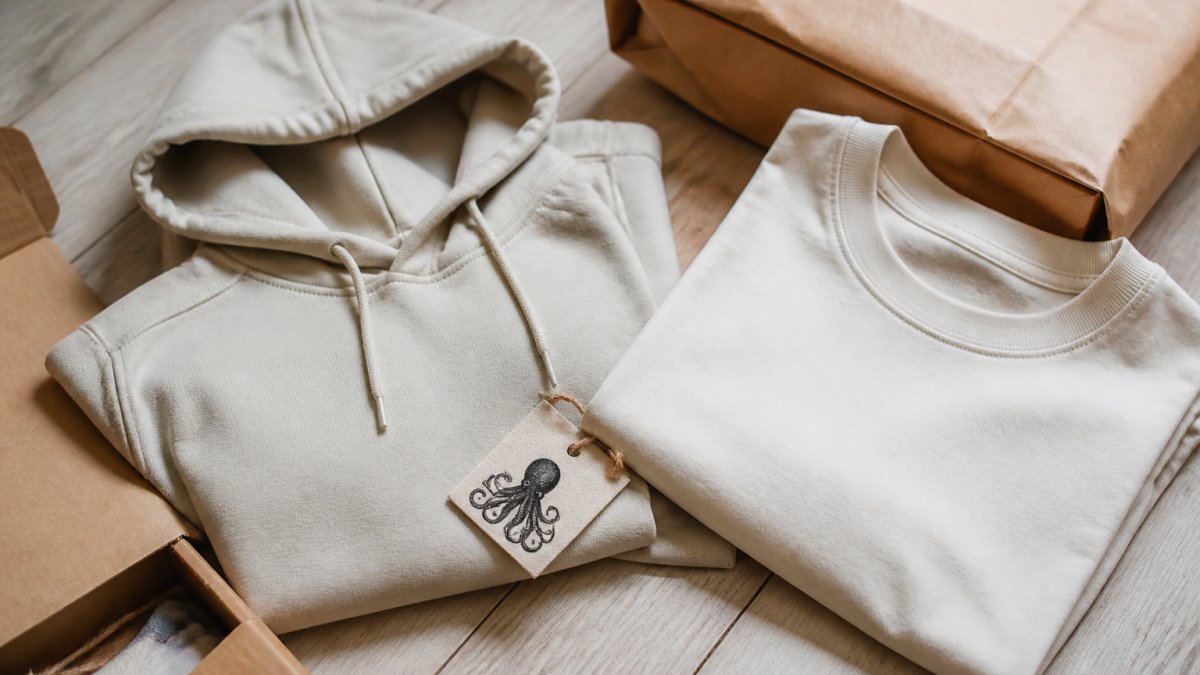
DMBO DEEP is our top pick. Every Limited Edition drop is capped at 250 pieces per design, so you are not buying the same hoodie as everyone on your street. Garments use responsibly sourced organic and recycled materials, and packaging is fully eco-conscious.
A £2 contribution from every purchase supports ocean conservation and mental wellbeing charities. Select items hide a rare 1/250 lucky tag, adding a genuine collector’s thrill. The Dumbo octopus identity runs through the collections, a nod to depth and individuality.
What most shoppers miss: limited drops sell out quietly, so joining the subscriber list is a reliable way to catch a release before it goes.
2. WAWWA: Manchester-Born Supply-Chain Focus
WAWWA has spent close to a decade refining how its garments are made and sourced, according to Weavabel’s sustainable streetwear guide. That supply-chain-first approach matters more than a flashy sustainability page.
The trade-off is transparency on materials at product level, which is thinner than the bigger brands. Still, for a UK label with real streetwear credentials, it earns its place.
3. Patagonia: The Established Outdoor Benchmark
Patagonia is the reference point every sustainable brand gets measured against. It appears on multiple 2026 sustainable-clothing roundups and has the repair culture to match.
Where it falls short for streetwear purists: the aesthetic leans outdoor, not urban. If you want a technical jacket, it wins. If you want a boxy graphic tee, look elsewhere.
4. Pact: An Accessible Entry Point
Pact is the easiest on-ramp into organic and recycled basics. It suits shoppers who want to swap out their everyday wardrobe without a big spend.
The limitation is style range. Pact does essentials well, but it is not chasing streetwear trends.
5. Everlane: Transparent Basics
Everlane built its name on cost transparency and clean, minimal basics. It is a solid choice for layering pieces that outlast fast-fashion equivalents.
Expect fewer statement streetwear pieces and more wardrobe staples.
6. Reformation: Fashion-Led Sustainability
Reformation leads with design and treats sustainability as part of the brand story. It suits shoppers who want fashion-forward pieces with a lighter footprint.
Streetwear specifically is not its focus, so treat it as a complement to your core rotation.
7. Kotn: Material-Led Simplicity
Kotn keeps things simple, leaning on strong material choices and a pared-back range. If you value fabric quality over logos, it is worth a look.
8. tentree: Accessible Organic and Recycled Materials
tentree is described as an accessible route into organic and recycled fabrics. It is a good starting point for anyone testing sustainable streetwear without committing to premium pricing.
9. Quince: Considered Essentials
Quince focuses on considered essentials at approachable price points. It rounds out a sustainable wardrobe rather than defining a streetwear look.
10. Girlfriend Collective: Community-Led Activewear
Girlfriend Collective brings a community-led angle, strongest in activewear. It is a natural crossover for anyone who lives in joggers and leggings.
| Brand | Best For | Standout Eco Feature |
|---|---|---|
| DMBO DEEP | Limited-edition streetwear | 250-piece drops, £2 per item to charity |
| WAWWA | UK supply-chain focus | Long-running sourcing development |
| Patagonia | Outdoor durability | Repair-led culture |
| Pact | Accessible basics | Organic and recycled materials |
| tentree | Entry-level sustainability | Organic and recycled fabrics |
How to Choose Sustainable Clothing Brands
Start with materials, then verify the claims. A brand that names its fabrics and sourcing openly is usually more trustworthy than one that leads with vague green language.
Ask three questions before you buy:
- Does the brand state which materials it uses, and are they organic or recycled?
- Is there a third-party certification backing the claim?
- Does the brand explain where garments are made?
If the answers are missing, treat the sustainability messaging as unproven. A common mistake is assuming a higher price guarantees responsibility. It does not.
Sustainable Fashion Certifications to Look For
A sustainable fashion certification is an independent verification that a garment or brand meets defined environmental or ethical standards. It is the strongest signal you can check, because it comes from an outside body rather than the brand itself.
Look for recognised labels on product pages and care tags. Schemes such as Textile Exchange’s certification guidance cover recycled and organic fibre claims. If a brand claims recycled content but shows no certification, ask why.
Certifications usually appear on the care label, not the marketing page. Check the label photo before you buy online, and if it is not shown, email the brand. A confident brand answers quickly.
Streetwear Made from Recycled Materials: What to Expect
Recycled fabrics have improved dramatically, but they behave slightly differently. Expect a softer hand-feel on recycled cotton blends and a slightly stiffer drape on some recycled synthetics.
Durability is generally strong, and washing care matters more. Cold washes and air drying keep recycled fibres in shape far longer than a hot tumble dry.
The honest caveat: recycled content is not a licence for endless buying. The most sustainable garment is still the one you wear for years.
The Future of Sustainable Streetwear Brands
The direction of travel is clear: smaller runs, better materials and proof over promises. Limited drops reduce waste from unsold stock, and shoppers increasingly reward brands that publish real detail.
We expect certification to become table stakes, and vague claims to face more scrutiny. For buyers, that is good news. It makes the responsible choice easier to spot.
Conclusion
The hardest part of buying responsibly is not finding options. It is cutting through the greenwash to find brands that actually mean it. Start with certification, check the materials, and favour labels that limit waste by design.
That is exactly how we build DMBO DEEP: strictly limited 250-piece drops, responsibly sourced organic and recycled materials, eco-conscious packaging, and a £2 contribution from every purchase to ocean conservation and mental wellbeing. If you want streetwear that says something, join the Deep and wear something the crowd will not have.
Frequently Asked Questions
What makes a streetwear brand eco-friendly?
A genuinely eco-friendly streetwear brand uses responsibly sourced materials such as organic cotton or recycled fibres, packages orders without unnecessary plastic, and is transparent about where its garments are made. Look for published information on materials and manufacturing rather than vague green claims. Brands like DMBO DEEP, for example, use organic and recycled materials together with eco-conscious packaging, and contribute £2 from every purchase to ocean conservation and mental health causes. The strongest signals combine material choices, supply-chain disclosure and a verifiable charitable or environmental commitment.
Which streetwear brands use recycled or organic materials?
Several brands in this guide are associated with organic or recycled materials. DMBO DEEP uses responsibly sourced garments including organic and recycled materials. Pact and tentree are described in sustainable-clothing roundups as accessible options for shoppers seeking organic or recycled materials. WAWWA has spent nearly a decade developing its supply-chain model. Always check the individual product page for the specific fibre composition, because a brand may use organic cotton in some items and conventional fibres in others. Material claims should be stated clearly on the garment itself.
How can I tell whether a clothing brand is genuinely sustainable?
Start with specifics rather than slogans. A credible brand names its materials, explains where garments are produced and can point to recognised certifications. Check whether sustainability information is easy to find on the product page, not buried in a manifesto. Look for third-party standards covering organic content, recycled content or textile safety. If a brand makes charitable claims, see whether it explains the mechanism, such as a stated amount per item sold. Vague phrases like ‘planet-friendly’ without supporting detail are a warning sign.
Are there British sustainable streetwear brands?
Yes. DMBO DEEP is an independent British premium streetwear brand creating limited-edition and eco-conscious clothing for adults and children, with drops restricted to 250 pieces per design. WAWWA is described as Manchester-born and has been developing its supply-chain model for nearly 10 years. British labels often combine smaller production runs with a distinct design identity, which appeals to shoppers who want something less ubiquitous than mainstream fashion. Check each brand’s site for current collections, sizing information and delivery details.
Is sustainable streetwear more expensive?
It often costs more than mass-produced fast fashion, because smaller production runs, responsibly sourced materials and ethical manufacturing carry higher unit costs. Limited-edition models, such as drops of 250 pieces, also mean you are paying for exclusivity and design rather than volume. Pricing varies by brand, garment type and collection, so check each brand’s website for current prices. Many shoppers treat these pieces as longer-term investments, buying fewer items and wearing them for longer, which changes the cost-per-wear calculation considerably.