

How to Verify Sustainable Fashion Claims: A 2026 Guide
Table of Contents
- Why Verifying Sustainable Fashion Claims Matters
- How to Spot Greenwashing in Fashion
- Check for Sustainable Clothing Certifications
- How to Check Fashion Brand Transparency
- Sustainable Fashion Claims Examples: What to Question
- Step-by-Step Verification Process
- Common Mistakes to Avoid When Verifying Claims
- Frequently Asked Questions
Last Updated: October 16, 2026
Why Verifying Sustainable Fashion Claims Matters
When you buy clothing, the label tells you the material. But it rarely tells you the full story. Brands make claims about sustainability all the time. Some are genuine. Others are marketing. Learning how to verify sustainable fashion claims helps you make choices that actually align with your values.
The difference matters. A shirt made from recycled polyester isn’t the same as one made from organic cotton. A brand that donates a small percentage of profits isn’t the same as one built on conservation from the ground up. Without verification, you can’t tell the difference.
At DMBO DEEP, we’re transparent about how we source materials and where your money goes. We use responsibly sourced garments including organic and recycled materials. A contribution from every item sold supports ocean conservation and mental wellbeing causes. But we know that trust isn’t automatic. You should ask these questions of any brand claiming to be sustainable, including us.
This guide shows you how to spot greenwashing, check certifications, request transparency, and build a verification process you can use before you buy.
How to Spot Greenwashing in Fashion
Greenwashing happens when a brand uses environmental language without backing it up. The term sounds good. The reality falls short. Learning to spot it protects your money and your values.
Common greenwashing tactics include vague claims like “eco-friendly” or “natural” with no proof. Using green colours or leaf imagery on packaging. Highlighting one sustainable practice while ignoring harmful ones. Claiming a product is sustainable because it’s “better than” competitors, not because it’s actually sustainable.
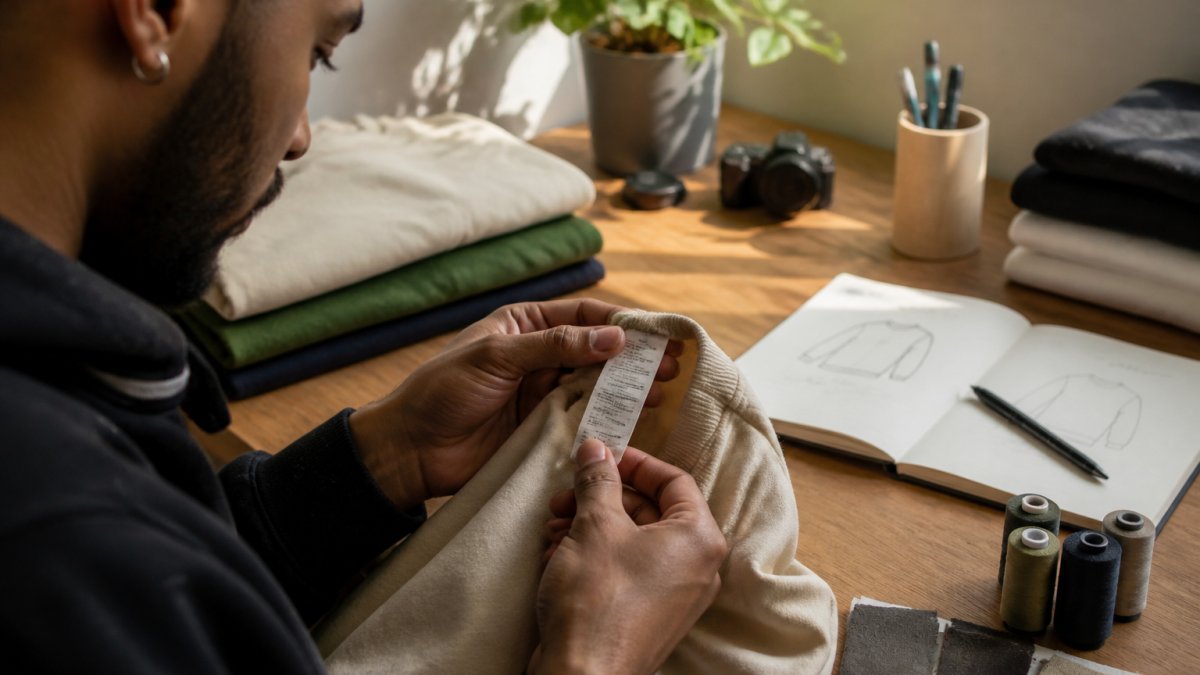
Red flags to watch for:
- Claims without certification or third-party verification
- Vague language like “eco-conscious” or “planet-friendly” with no specifics
- Hidden trade-offs (e.g., “sustainable fabric” but unethical labour practices)
- No transparency about supply chain or manufacturing
- Claims that contradict the brand’s overall practices
- Price that seems too low for genuinely sustainable production
The key is specificity. Real sustainability claims name exactly what they’ve done. They provide evidence. They’re willing to be questioned.
Check for Sustainable Clothing Certifications
Certifications give you a shortcut. A third party has already verified the claim. You don’t have to do all the research yourself. But not all certifications carry equal weight. Some are rigorous. Others are easier to obtain.
Key certifications to look for
GOTS (Global Organic Textile Standard) covers organic fibre production and processing. It checks farming practices, chemical use, and worker conditions. This is one of the most respected certifications for organic cotton and other natural fibres.
Fair Trade Certified verifies fair wages and working conditions (How does the label work). It focuses on the people making the clothes. Fair Trade certification requires audits and ongoing compliance checks.
OEKO-TEX tests finished textiles for harmful chemicals. It doesn’t verify the entire supply chain, but it guarantees the final product is safe to wear and free from problematic substances.
Cradle to Cradle assesses the full product lifecycle. It looks at material sourcing, manufacturing, and end-of-life options. This is a more comprehensive standard.
EU Ecolabel is a European certification covering environmental impact across production (EU Ecolabel). It includes criteria for water use, chemical restrictions, and waste management.
Bluesign focuses on chemical safety and resource efficiency in textile production (bluepass Certification). It’s particularly strong on preventing water pollution.
These certifications cost money and time to obtain. Brands that pursue them are making a real investment in verification.
How to verify a certification is legitimate
A certification is only useful if it’s real. Fake certifications exist. So do real certifications with weak standards.
First, check the certifying body’s website directly. Don’t rely on the brand’s description alone. Visit the official certification website and search for the brand name. Legitimate certifications maintain searchable registries of certified companies.
Look for the certification logo on the product or brand website. Real certifications have specific logos with security features. Knockoff certifications often use generic green imagery instead.
Check what the certification actually covers. Some certifications only cover one part of production (e.g., fabric only, not dyes). Others cover the entire supply chain. Read the standard’s requirements yourself if possible. Many certifying bodies publish their standards publicly.
Ask how often the brand is audited. Real certifications require regular audits, usually annually or every two years. Brands that can’t name an audit schedule should raise questions.
How to Check Fashion Brand Transparency
Transparency is the foundation of trust. A brand willing to share information is usually more honest than one that keeps things vague.
What information to request
Ask the brand directly. Send an email or use their contact form. Ask specific questions:
- Where are your materials sourced from? (Name the suppliers or regions)
- Who manufactures your clothing? (Name the factories and locations)
- What certifications do your materials have?
- How do you ensure fair wages and safe working conditions?
- What happens to your waste and offcuts?
- How do you verify your sustainability claims?
Good brands answer these questions. They might not give you every detail (some is proprietary), but they’ll provide meaningful information. They’ll name specific suppliers or certifications. They’ll explain their process.
Red flags in brand responses
Watch for these warning signs when you reach out:
- No response at all, or very slow responses
- Generic answers that could apply to any brand
- Deflecting to third-party certifications without adding their own detail
- Refusing to name suppliers or manufacturers
- Claims about sustainability with no verification method offered
- Defensive language or dismissal of your questions
A brand that’s genuinely sustainable welcomes scrutiny. They see transparency as a strength, not a burden.
Sustainable Fashion Claims Examples: What to Question
Let’s look at common claims you’ll see and what questions they should trigger.
“Made with organic cotton”, Ask what percentage. Is the dye organic too? Is the entire supply chain certified?
“Eco-friendly packaging”, What does that mean exactly? Is it recyclable? Compostable? How much does it reduce waste compared to standard packaging?
“Supports fair trade”, Which workers? Which part of production? Is it Fair Trade Certified or just a brand claim?
“Sustainable production”, Sustainable in what way? Water use? Chemical reduction? Worker conditions? All three?
“Carbon neutral”, How was this measured? Does it include the full supply chain or just manufacturing? Are they buying carbon offsets or actually reducing emissions?
“Ethically made”, By what standard? Who verified it? What does ethical mean to this brand?
“Limited edition to reduce waste”, Limiting production doesn’t reduce waste if the brand still produces the same total volume across many designs. It’s more about exclusivity than environmental impact.
The pattern is clear: specific beats vague. Verified beats claimed. Detailed beats marketing language.
Step-by-Step Verification Process
Use this process before you buy. It takes time the first time. You’ll get faster with practice.
Step 1: Research the brand’s background
Start with the brand’s website. Look for an “About” page or sustainability statement. Does the brand explain why sustainability matters to them? Do they name specific practices or just use marketing language?
Search for independent reviews or articles about the brand. Look for coverage from fashion sustainability publications or blogs. See what others have found about their practices.
Check social media. Genuine brands engage with customer questions about sustainability. They share behind-the-scenes content showing their production process. Brands that ignore these questions or delete critical comments raise red flags.
Step 2: Examine material sourcing
Look at the product label. What’s it made from? Check whether the materials have certifications. Organic cotton, recycled polyester, and linen from certified sources are generally better choices than conventional versions.
Visit the brand’s website. Do they explain where materials come from? Do they name suppliers? The more specific, the better.
Look for third-party verification. A brand might claim organic cotton, but is it GOTS certified? That makes a difference.
Step 3: Look for third-party verification
Check whether the brand holds any certifications we discussed earlier. Visit the certifying body’s website and verify the brand is actually listed. Don’t just take the brand’s word for it.
Look for audit reports or sustainability reports the brand has published. Some brands share detailed information about their supply chain audits. This shows they’re willing to be transparent.
Check whether the brand partners with recognised sustainability organisations. Partnerships with established non-profit organisations or certification bodies add credibility.
Step 4: Check supply chain disclosure
Ask yourself: does the brand name its factories and suppliers? Can you find information about where production happens? Brands that hide this information often have something to hide.
Look for information about worker conditions. Does the brand discuss wages, working hours, or safety practices? Real commitment to sustainability includes people, not just materials.
Check whether the brand has faced any controversies. Search for news articles or reports about labour issues, environmental violations, or misleading claims. Past behaviour is often the best predictor of current practices.
Common Mistakes to Avoid When Verifying Claims
Trusting one certification alone. A single certification covers only part of the picture. Organic cotton is great, but what about the dyes? What about labour conditions? Look for multiple certifications or a brand that addresses multiple sustainability areas.
Assuming expensive means sustainable. High price doesn’t guarantee sustainability. Some brands charge premium prices for branding, not better practices. Conversely, some genuinely sustainable brands price competitively.
Overlooking the supply chain. Materials matter. So does how they’re produced and who makes the clothes. A brand using organic cotton sourced unethically isn’t actually sustainable.
Accepting vague language. “Eco-friendly,” “natural,” and “sustainable” mean nothing without specifics. Push back on vague claims. Ask for details.
Forgetting about scale. A small brand’s impact differs from a large one’s. A small independent brand donating a percentage of profits might do more for a cause than a massive corporation donating a larger amount. Context matters.
Ignoring past behaviour. If a brand has been caught greenwashing before, that’s a strong signal. Check whether they’ve genuinely changed or just improved their marketing.
Settling for marketing over substance. Beautiful packaging and inspiring messaging are nice. But they’re not verification. Focus on what the brand actually does, not what it says.
Verifying sustainable fashion claims takes effort. But the alternative is supporting practices that contradict your values. When you’re choosing where to spend your money, knowing the real story behind a brand matters.
At DMBO DEEP, we believe sustainability should be transparent and verifiable. We use responsibly sourced garments including organic and recycled materials. A contribution from every purchase goes to supporting ocean conservation and mental wellbeing causes. We keep our collections limited by design, restricting each piece to just 250 units. We welcome your questions about our practices. Use the verification process in this guide to check our claims too. That’s how trust actually works. DMBO DEEP’s commitment to ocean conservation shows exactly where your contribution goes.
Frequently Asked Questions
What are the most reliable certifications for sustainable fashion?
Look for third-party certifications such as GOTS (Global Organic Textile Standard), Fair Trade Certified, and OEKO-TEX. These require independent audits and regular verification. Brands displaying these logos should provide a certification number you can verify on the issuing organisation’s website. Avoid brands claiming sustainability without any third-party backing, as this is a common greenwashing tactic.
How can I verify that a brand’s sustainability claims are genuine and not just marketing?
Request specific evidence: material sourcing documents, factory locations, and environmental impact reports. Check whether brands disclose supply chain information openly on their website. If a brand refuses to answer direct questions about sourcing or manufacturing, that’s a significant red flag indicating their claims may not be substantiated.
What does ‘eco-friendly’ actually mean in fashion, and is it a legally protected term?
Unfortunately, ‘eco-friendly’ and ‘conscious’ are not legally defined terms in most markets, which means brands can use them without meeting specific standards. This vagueness makes them prime greenwashing tools. Instead, look for concrete claims backed by certifications or measurable data: percentage of recycled content, water usage reduction, or carbon footprint calculations. Specific, measurable claims are far more trustworthy than vague marketing language.
How do I check where clothes are made and what materials are sourced from?
Examine the garment label for country of manufacture and fibre content. Then visit the brand’s website for detailed supply chain information. Contact the brand directly if this information isn’t readily available, transparent companies respond with specifics. Cross-reference certifications with the issuing bodies. If a brand can’t or won’t disclose manufacturing locations and material origins, question their sustainability credentials.