

Is Premium Streetwear Worth the Price in 2026?
Table of Contents
- Why Premium Streetwear Costs More: Breaking Down the Price
- Premium Streetwear vs Fast Fashion: The Real Difference
- How to Tell if a Hoodie Is Good Quality
- Calculating Streetwear Cost Per Wear: Does It Add Up?
- Is Sustainable Streetwear Worth the Premium?
- Exclusivity and Limited Drops: What Are You Really Paying For?
- Is Premium Streetwear Worth It for You?
- Frequently Asked Questions
Last Updated: October 10, 2026
Why Premium Streetwear Costs More: Breaking Down the Price
When you ask whether premium streetwear is worth the price by comparing a premium hoodie to a fast-fashion chain, the price gap is striking. But it isn’t arbitrary: it reflects genuine differences in how the garment is made, where materials come from, and what happens after you buy it.
Quality fabrics cost more. A premium hoodie uses organic cotton or recycled materials requiring careful sourcing and certification, selected for durability and environmental responsibility. Fast fashion prioritises volume and cost reduction, meaning cheaper synthetics and blends that pill, fade, and lose shape after a few washes.
Construction matters too. Premium brands invest in proper stitching, reinforced seams, and detail at every stage: cuffs won’t unravel, hoods won’t collapse. That takes time and skilled labour. Mass-produced alternatives cut corners with fewer stitches per centimetre, thinner fabric, and minimal quality control.
Then there’s the business model. Premium independent brands like DMBO DEEP run smaller production runs. Limited drops of just 250 pieces mean no economies of scale, no bulk discounts, and higher per-unit costs. That constraint is intentional: it creates genuine exclusivity and maintains higher production standards.
Purpose adds value too. When a contribution from every purchase supports ocean conservation and mental health charities, that’s not marketing language, it’s a real commitment that costs money. That’s part of what you’re paying for.
Premium streetwear costs more because of material quality, construction standards, limited production runs, and genuine purpose-driven commitments, not just brand markup.
Premium Streetwear vs Fast Fashion: The Real Difference
The gap between premium streetwear and fast fashion goes beyond price: how long the garment lasts, how it performs, and what your purchase supports.
Fast fashion is engineered for rapid turnover. Collections drop constantly, trends cycle quickly, and garments are designed to look good for a season or two before wearing out or going out of style. Revenue comes from volume: more units at lower prices.
Premium streetwear emphasises timelessness over trend-chasing. A well-made hoodie should last years, not months, staying flattering through dozens of washes without noticeable fabric degradation. That longevity changes the economics: you wear it more, so cost per wear decreases.
Material sourcing reveals the difference too. Fast fashion buys whatever’s cheapest; premium brands specify exactly what goes into each piece, from organic certifications to recycled content percentages and ethical labour standards. That requires supplier relationships, third-party verification, and costly transparency.
The environmental impact differs dramatically. A fast-fashion hoodie worn 10 times before being discarded has a far higher environmental cost per wear than a premium piece worn 200 times. Supporting sustainable streetwear means your purchase reduces waste rather than contributing to it.
Independent brands like DMBO DEEP also offer something fast fashion can’t: genuine exclusivity. When only 250 pieces of a design exist, you’re not wearing the same hoodie as thousands of others. That’s not a gimmick, it’s a consequence of how premium brands operate.
Calculate your actual cost per wear before dismissing premium streetwear as expensive.
How to Tell if a Hoodie Is Good Quality
Quality isn’t subjective once you know what to look for. A few specific details separate a garment that will last from one that won’t.
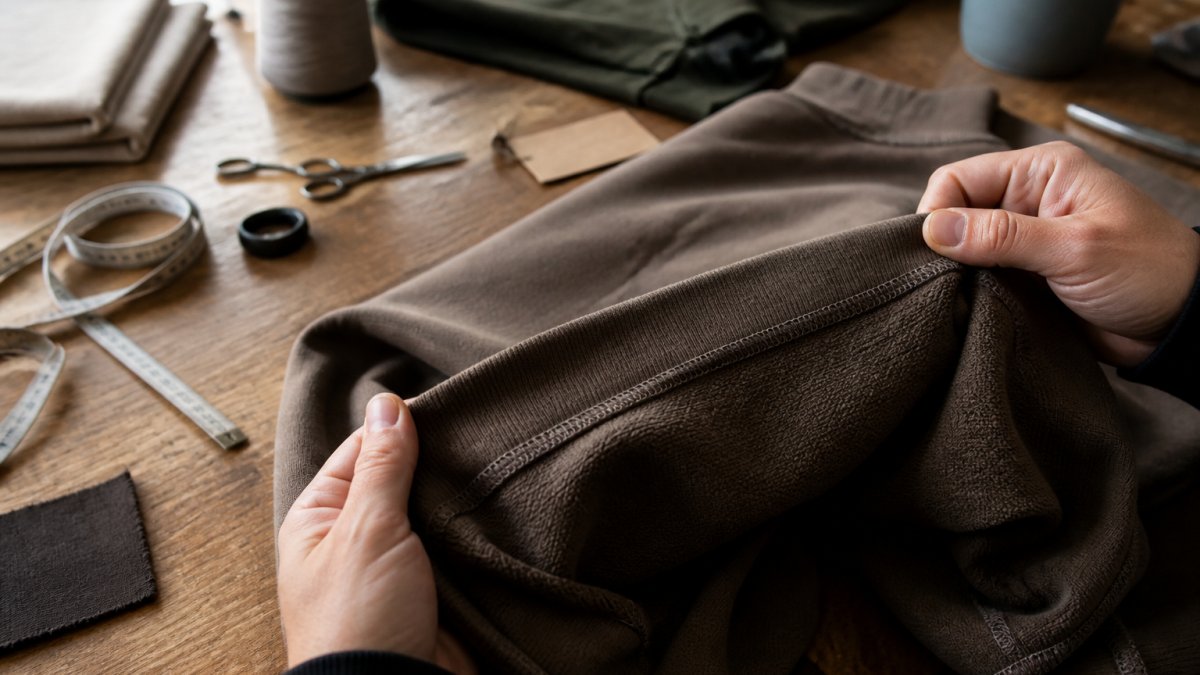
Start with fabric weight. Premium hoodies feel dense and substantial, not flimsy, with a tight weave and minimal pilling potential. Run your hand across it; quality material feels smooth and consistent, not rough or uneven.
Examine the seams closely. Look inside at the shoulder, sleeve, and side seams. Quality construction uses multiple stitches per inch: tight, even stitching with no gaps or loose threads, and reinforced seams rather than a single line.
Check the cuffs and hem, which take the most wear.
Look at the hood construction. Quality hoods hold their shape without collapsing or folding awkwardly, with substantial drawstrings rather than thin, flimsy cords, and a lined or double-layered build for durability.
Pay attention to the collar. Premium hoodies have reinforced necklines that won’t stretch out or fray after a few washes, with tight, even stitching. A weak neckline is one of the first things to fail on cheap hoodies.
Feel the fabric consistency throughout. Quality hoodies use the same weight fabric all over; a noticeably thinner section signals corner-cutting.
Calculating Streetwear Cost Per Wear: Does It Add Up?
The real measure of whether premium streetwear is worth the price isn’t upfront cost, it’s how many times you actually wear it.
Cost per wear is simple maths. Take the price and divide it by the number of times you wear the item before it’s no longer wearable. Suddenly the expensive option can appear cheaper.
But this only works if you wear the piece regularly. Premium streetwear makes sense when you buy items that fit your aesthetic and lifestyle, pieces you’ll reach for consistently rather than leave unworn in your wardrobe.
Consider durability. A quality hoodie maintains its appearance for 100+ wears; a fast-fashion equivalent may look worn after 30-40. Seams hold, fabric doesn’t pill excessively, colour fades slower, extending lifespan dramatically.
Care matters too. Premium pieces reward careful washing and avoiding bleach. With quality, that effort preserves the garment rather than just slowing inevitable degradation.
Limited-edition pieces add another dimension. DMBO DEEP‘s restricted drops mean your hoodie won’t become ubiquitous. Wearing something only 250 people own feels different from wearing something manufactured by the millions. Whether that justifies the premium is personal, but it’s a real factor.
Don’t buy premium streetwear hoping to wear it occasionally. The cost per wear only improves if you actually wear the piece regularly. If it’s going to sit in your wardrobe, fast fashion is genuinely the better choice.
Is Sustainable Streetwear Worth the Premium?
Sustainable streetwear typically costs more than conventional alternatives. The question is whether those extra costs deliver genuine environmental and social value.
The material sourcing is real. Organic cotton requires certification, testing, and careful cultivation; recycled materials require collection infrastructure, sorting, and processing. Both cost more than virgin synthetic fibres. These are actual material expenses reflecting real environmental practices, not marketing costs.
Transparency adds cost too. Brands that publish supply chain information, conduct third-party audits, and verify labour practices spend money on verification cheaper brands skip. That’s not virtue signalling; it’s the cost of proving your claims.
The impact question deserves honesty. A sustainable hoodie made from recycled materials still requires energy to produce and transport. But worn frequently over a long period, its environmental cost per wear is significantly lower. The calculation assumes you’ll wear the piece for years, not months.
Purpose-driven brands like DMBO DEEP tie sustainability to direct impact. A contribution from every purchase removes plastic from the seas and supports mental health organisations, and you can track whether that money reaches those causes. The premium includes that tangible contribution.
Consider the alternative: buying cheaper, lower-quality pieces you discard quickly means constant replacement, manufacturing waste, and environmental impact. Sustainable streetwear asks you to buy less but better, fewer pieces that last longer.
| Factor | Sustainable Streetwear | Conventional Streetwear |
|---|---|---|
| Material Cost | Higher (organic/recycled certification) | Lower (virgin synthetics) |
| Durability | 3-5 years typical wear | 1-2 years typical wear |
| Supply Chain Transparency | Published, audited, verified | Often opaque |
| Purpose/Impact | Direct contribution per purchase | None |
| Environmental Cost Per Wear | Lower over lifetime | Higher due to replacement frequency |
| Exclusivity | Often limited production | Mass produced |
Exclusivity and Limited Drops: What Are You Really Paying For?
Limited drops create a different kind of value: psychological, but also genuinely scarce.
When DMBO DEEP restricts a design to 250 pieces, that scarcity is real. Miss the drop and you cannot buy the hoodie next month or next year. That finality changes how people perceive the purchase: not “I’ll grab this later”, but “I need to decide now or lose the chance.”
Scarcity creates exclusivity. Wearing a 1-of-250 piece means something different from wearing one of millions. That distinction has real value to people who care about individuality and originality. DMBO DEEP’s philosophy is literally “Dare More. Be Original”, limited production is how that principle manifests in practice.
The psychological premium for exclusivity is well-documented: people value things more when they’re rare. A hoodie only 249 other people own feels different from one owned by half a million. That feeling is part of what you’re paying for.
But exclusivity only holds value if it’s genuine. A brand claiming limited production while manufacturing thousands offers fake exclusivity. Real limited drops require real constraints: smaller batch sizes, careful quality control, and acceptance of lower revenue. DMBO DEEP’s model proves it with genuinely small runs and limited access.
The downside is obvious: miss a drop you love and it’s gone, with no second chance. Some find that frustrating; others find it energising, since scarcity makes the decision more meaningful.
You’re paying for genuine scarcity and the psychological value of exclusivity when you buy limited-edition streetwear. That’s worth money if you value individuality; it’s wasted money if you don’t care whether others own the same piece.
Is Premium Streetwear Worth It for You?
Whether premium streetwear justifies the price depends on your priorities and how you actually buy and wear clothes.
Premium streetwear makes sense if you buy fewer pieces and wear them repeatedly.
It makes sense if exclusivity matters. If wearing something only a few hundred others own appeals to you, if you’d rather stand out than blend in, limited production has real value. DMBO DEEP’s 250-piece drops deliver that deliberately.
It makes sense if purpose matters. If you want purchases to support ocean conservation and mental health causes, and you care about sustainable materials and ethical production, the premium reflects values you share.
It makes sense if you have the budget. Premium streetwear isn’t a necessity; if money is tight, a well-fitting fast-fashion hoodie is perfectly reasonable. The cost-per-wear advantage only matters if you can afford the upfront investment.
It doesn’t make sense if you chase trends. Premium brands move slowly and don’t follow every seasonal trend. If you want something different every few months, fast fashion aligns better with your behaviour.
It doesn’t make sense if you won’t wear the pieces. A premium hoodie sitting unworn is a poorer investment than a cheaper one. Be honest about what you’ll realistically wear.
It doesn’t make sense if you don’t care about the details. If you can’t tell quality stitching from cheap construction, if exclusivity feels like marketing nonsense, if sustainable materials don’t move you, you’re paying for things you don’t value.
The question “is premium streetwear worth the price” doesn’t have a universal answer.
Frequently Asked Questions
Is premium streetwear actually worth the price?
Premium streetwear offers genuine advantages: higher-quality materials that last longer, better construction that withstands repeated wear, and exclusivity you won’t find in fast fashion. Whether it’s worth it depends on your priorities. If you wear pieces frequently and value durability, the cost per wear becomes reasonable. If you’re price-sensitive or rarely wear items, fast fashion may suit you better. Consider also what matters to you beyond the garment itself, purpose-driven brands like DMBO DEEP donate from each sale to ocean conservation and mental health causes, adding value beyond the clothing.
What makes sustainable streetwear cost more than regular brands?
Sustainable streetwear uses responsibly sourced materials like organic cotton and recycled fabrics, which cost more to source and certify. Ethical manufacturing practices, smaller production runs, and eco-friendly packaging add to the price. Additionally, many sustainable brands reinvest profits into charitable causes or environmental initiatives. These practices demand transparency and accountability, which require investment. You’re paying for material quality, ethical production, and positive impact, not just the garment itself.
How do you calculate cost per wear for streetwear?
Divide the item’s price by the number of times you’ll wear it. A premium hoodie worn frequently offers better value than a cheaper item worn rarely. Premium pieces worn frequently offer better value than cheaper items worn rarely. Consider your lifestyle: if you wear streetwear daily and keep pieces for years, premium quality justifies higher upfront costs. Track how often you actually wear items before buying to make honest cost-per-wear calculations.
What should I check before buying from an independent premium brand?
Examine material composition and sourcing transparency, reputable brands disclose where fabrics come from. Review return policies and sizing guidance, especially from smaller brands where fit can vary. Check whether the brand stands behind quality claims with warranties or guarantees. Look for evidence of their stated values: do they publish reports on charitable donations or sustainability practices? Read customer reviews about durability and fit. Independent brands often have smaller margins, so quality and customer service become critical differentiators.