

Remove Plastic from Seas: Verify Ethical Fashion
Table of Contents
- How to Remove Plastic from the Seas Through Your Fashion Choices
- How to Verify Sustainability Claims Before You Buy
- Understanding Recycled Ocean Plastic Clothing
- Ocean-Bound Plastic: What It Is and Why It Matters
- How to Reduce Ocean Plastic Pollution Beyond Clothing
- Making Your Purchase Count: Direct Contributions to Removal Efforts
- Conclusion: Your Role in Removing Plastic from the Seas
- Frequently Asked Questions
Last Updated: October 14, 2026
How to Remove Plastic from the Seas Through Your Fashion Choices
Your clothing choices matter more than you might think. Every garment you buy sends a message about what you value. When you choose brands committed to removing plastic from seas, you’re voting with your wallet for ocean conservation. This guide from DMBO DEEP breaks down how your fashion decisions directly contribute to cleaning our oceans and why that impact is real.
The connection between what you wear and ocean health isn’t obvious at first. But fast fashion creates enormous waste. Textiles end up in landfill and waterways. Synthetic fabrics shed microplastics. When you choose clothing made from recycled ocean plastic or from brands that donate to removal efforts, you’re part of the solution.
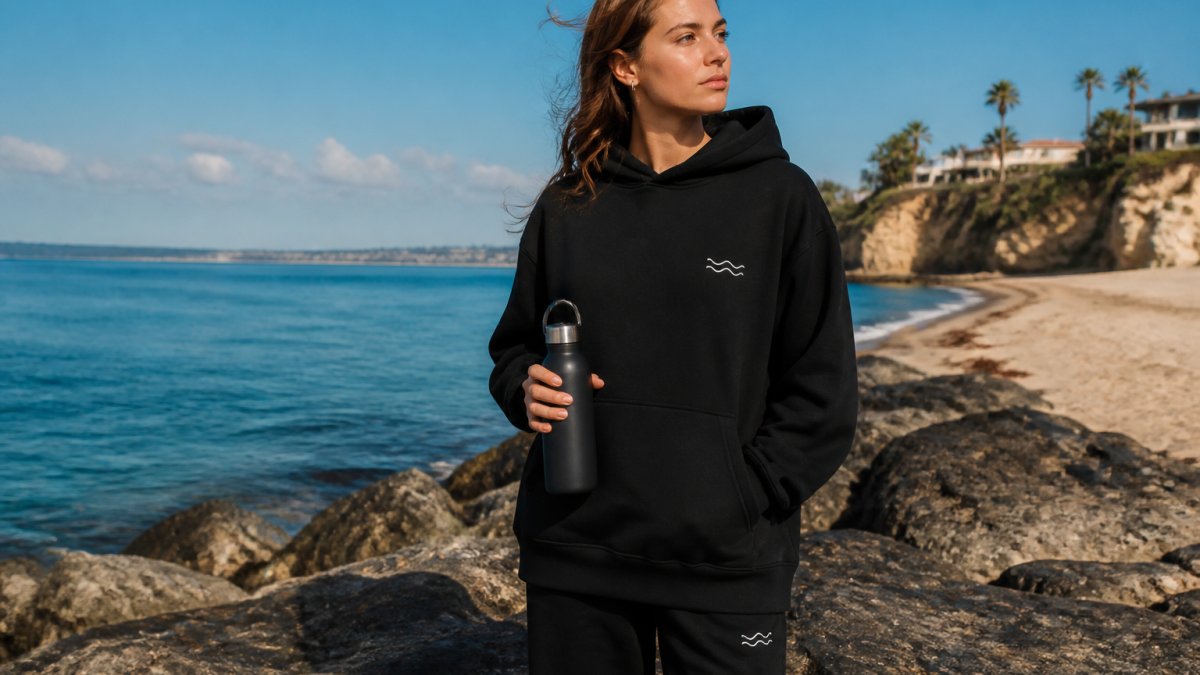
Here’s what you need to know: brands that remove plastic from the seas do it through direct donations, partnerships with cleanup organisations, or by using recovered ocean plastic in their garments. DMBO DEEP, for example, contributes from every item sold to ocean conservation causes. This approach creates a direct link between your purchase and real cleanup work.
The most straightforward way to contribute is buying from brands with proven commitments. Look for companies that:
- Donate a fixed amount per sale to verified ocean cleanup organisations
- Use recycled ocean plastic in their products
- Publish transparent reports about their contributions
- Partner with established environmental groups
When you wear clothing made this way, you’re not just looking good, you’re actively funding the removal of plastic from our seas.
How to Verify Sustainability Claims Before You Buy
Greenwashing is rampant in fashion. Many brands make vague claims about being “eco-friendly” without backing them up. Before you spend your money, you need to know how to spot genuine commitments from empty marketing language.
Start by looking for specific numbers. A brand should tell you exactly how much they donate per item sold or what percentage of materials are recycled. Vague language like “we care about the environment” means nothing.
Check for third-party verification. Legitimate brands partner with established organisations like The Ocean Cleanup, which focuses directly on removing plastic from our oceans.
Ask for transparency reports. Ethical brands publish annual reports showing where donations go and what impact they’ve achieved. If a brand refuses to share this information, that’s a red flag.
Look at their material sourcing. Do they explain where their recycled materials come from? Do they use organic cotton or other responsibly sourced fabrics? Genuine sustainable brands are transparent about their supply chain.
Check the packaging. If a brand claims to be eco-conscious, their packaging should reflect that commitment. DMBO DEEP uses 100% eco-friendly packaging because the values have to extend beyond the garment itself.
Read customer reviews carefully. Real customers will mention whether the brand delivers on its promises. Look for comments about durability, quality, and whether the brand actually seems to care about its impact claims.
Research the brand’s history. How long have they been operating? Have they won any environmental certifications? Do they have partnerships with legitimate nonprofits?
Understanding Recycled Ocean Plastic Clothing
Recycled ocean plastic clothing has become increasingly common, but many people don’t understand what it actually is or how effective it is as a solution.
Recycled ocean plastic is material recovered from the ocean or waterways and processed into yarn or fabric for clothing. The process involves collecting plastic debris, sorting it, cleaning it, and breaking it down into raw material that can be spun into thread.
The benefit is twofold. First, plastic that would otherwise remain in the ocean gets removed and repurposed. Second, using recycled material reduces demand for virgin plastic production, which saves resources and reduces manufacturing emissions.
However, understand the limitations. Recycled ocean plastic clothing doesn’t remove ALL plastic from the seas. The amount recovered is relatively small compared to the total plastic pollution problem.
The real value comes from scale and consistency. When thousands of people buy recycled ocean plastic garments from brands that prioritise this approach, the cumulative impact grows significant. DMBO DEEP and similar brands amplify this impact by combining recycled materials with direct donations to removal organisations.
Look for brands that disclose how much recycled ocean plastic is actually in their products. Some use only a small percentage mixed with virgin materials. Others use higher percentages. Higher percentages mean greater impact, though cost and performance considerations apply.
Quality matters too. Recycled ocean plastic clothing should be durable and well-made. If a garment falls apart after a few wears, it ends up in landfills, defeating the purpose.
Ocean-Bound Plastic: What It Is and Why It Matters
Ocean-bound plastic is plastic that hasn’t yet reached the ocean but is destined to if not collected. It’s typically found in coastal areas and developing countries where waste management infrastructure is weak.
This material matters because it represents a prevention opportunity. Collecting ocean-bound plastic stops it from entering the sea in the first place. It’s often easier and more cost-effective to intercept plastic before it reaches the water than to remove it once it’s already there.
Brands using ocean-bound plastic contribute to removing plastic from the seas by preventing future pollution. When you buy clothing made from ocean-bound plastic, you’re supporting collection efforts in vulnerable areas. This creates economic incentive for communities to gather and sort plastic instead of letting it flow into waterways.
The challenge with ocean-bound plastic is verification. It’s harder to trace and prove than recycled ocean plastic, which has already been recovered from water. Some brands make claims about ocean-bound plastic without solid documentation. This is where asking for transparency becomes crucial.
Legitimate brands working with ocean-bound plastic can point to specific collection programmes and partners. They can tell you which regions their plastic comes from and how much has been collected. If a brand can’t answer these questions, their ocean-bound plastic claims are suspect.
Both recycled ocean plastic and ocean-bound plastic serve important roles. Recycled ocean plastic directly removes existing pollution. Ocean-bound plastic prevents future pollution. Supporting brands that use either approach contributes meaningfully to removing plastic from the seas.
How to Reduce Ocean Plastic Pollution Beyond Clothing
Your fashion choices matter, but they’re only part of the solution. To genuinely contribute to removing plastic from the seas, you need a broader approach.
Start with your own consumption habits. Buy less, but buy better. Every garment you don’t purchase is plastic that doesn’t need to be produced or eventually discarded. When you do buy, choose quality pieces that last years, not seasons.
Recycle properly. Most people don’t recycle textiles correctly. For damaged garments, seek textile recycling programmes. Marine Conservation Society’s guidance on reducing ocean plastic pollution recommends proper recycling as a key step in keeping plastics out of waterways.
Reduce single-use plastics in your daily life. Plastic bags, bottles, and packaging all eventually end up in the ocean. Use reusable alternatives. This reduces the overall plastic burden that threatens marine ecosystems.
Support legislation and policy changes. Vote for politicians who prioritise ocean protection. Support organisations working on plastic reduction policy. Individual purchases matter, but systemic change requires political will.
Educate others. Share what you’ve learned about sustainable fashion and ocean conservation. When friends and family understand the connection between their choices and ocean health, they’re more likely to make better decisions.
Choose brands that go beyond clothing. Some companies donate a portion of profits to ocean cleanup organisations. Some fund research into plastic reduction. Some advocate for policy changes. Supporting these brands amplifies your impact beyond just the garment itself.
Participate in beach cleanups and ocean conservation activities. Direct action complements conscious shopping. You’re removing plastic while raising awareness about the problem.
Making Your Purchase Count: Direct Contributions to Removal Efforts
When you buy from a brand committed to removing plastic from the seas, your purchase becomes a direct contribution to cleanup efforts. Understanding how this works helps you make informed choices.
Some brands, like DMBO DEEP, contribute a fixed amount from every sale to ocean conservation and mental health charities. This straightforward approach means every purchase automatically funds removal work. You don’t need to do anything extra, the contribution happens at checkout.
Other brands partner with organisations like The Ocean Cleanup, which funds missions to remove plastic from the world’s oceans or 4ocean, an organisation working on plastic pollution. These partnerships ensure your money reaches established, verified cleanup programmes.
The most transparent brands publish annual impact reports. They tell you how much money was donated, which organisations received it, and what was accomplished. DMBO DEEP’s approach of contributing from every item sold creates accountability.
When evaluating a brand’s contribution claims, ask:
- Is the donation amount clearly stated per item?
- Which organisations receive the money?
- Are those organisations independently verified?
- Can you access impact reports showing results?
- Is the contribution mandatory or optional?
Mandatory contributions (built into the price) are more reliable than optional ones (where customers choose whether to donate). Mandatory contributions ensure every purchase supports the cause.
Limited-edition releases amplify your impact. Brands like DMBO DEEP create strictly limited collections of just 250 pieces. This exclusivity means each piece carries greater significance. You’re not just buying clothing, you’re joining a community of conscious consumers funding real change.
The value of your purchase extends beyond the immediate donation. It sends market signals. When enough people buy from sustainable brands, mainstream fashion companies take notice and shift their practices. Your individual purchase contributes to industry-wide change.
Conclusion: Your Role in Removing Plastic from the Seas
Your fashion choices directly influence whether plastic stays in our oceans or gets removed. Every purchase from a brand committed to ocean conservation funds real cleanup work. Every choice to buy quality, durable clothing over disposable fast fashion reduces the plastic problem at its source.
The brands doing this work best combine three elements: responsibly sourced materials, transparent donations, and authentic partnerships with verified organisations. DMBO DEEP exemplifies this approach. Every item sold contributes to ocean conservation and mental health charities. The limited-edition collections create genuine exclusivity whilst funding meaningful impact. The use of recycled and organic materials means your garment itself represents a commitment to sustainability.
You now understand how to verify sustainability claims, recognise genuine ocean plastic contributions, and distinguish between marketing and real impact. You know the difference between recycled ocean plastic and ocean-bound plastic, and why both matter. You understand that your role extends beyond clothing to broader consumption habits and advocacy.
The seas need us to remove plastic from seas. You can be part of that solution. Start by choosing brands that prove their commitment through transparent, measurable contributions. Join the DMBO DEEP community and wear something that won’t be seen everywhere whilst knowing your purchase funds ocean conservation and mental wellbeing. Dare more. Be original. Make your wardrobe count.
Frequently Asked Questions
How can I help remove plastic from the sea through fashion purchases?
Buying from brands committed to ocean conservation makes a direct impact. Choose clothing made from recycled or ocean-bound plastic, and select brands that donate proceeds to removal organisations. Brands like DMBO DEEP contribute from every purchase to ocean conservation charities. Additionally, buying limited-edition pieces encourages quality over quantity, reducing the demand for mass-produced garments that often end up as waste.
How can I check whether a fashion brand’s ocean-plastic claims are genuine?
Ask for transparency: request material sourcing documents, certification details, and charity partnership information. Legitimate brands publish annual reports or impact statements showing where donations go. Check if they name specific charities and provide contact details. Be cautious of vague claims like ‘eco-friendly’ without evidence. Verify claims by visiting the organisation’s website directly rather than relying on brand marketing alone.
What is the difference between ocean plastic and ocean-bound plastic?
Ocean plastic has already entered the sea and requires active removal. Ocean-bound plastic is collected from coastal areas before it enters the water, typically within 50 kilometres of coastlines in developing regions. Ocean-bound plastic is easier and cheaper to collect, making it more practical for clothing manufacturers. Both contribute to reducing plastic in marine ecosystems, though ocean plastic removal represents the more challenging cleanup effort.
How else can I reduce ocean plastic pollution besides buying recycled clothing?
Reduce single-use plastics in daily life: refuse plastic bags, use reusable water bottles, and avoid microplastic-containing products like certain cosmetics and synthetic textiles. Recycle properly to keep plastic out of landfill and oceans. Support organisations like The Ocean Cleanup or Marine Conservation Society through donations. Choose products with minimal plastic packaging. Participate in local beach cleanups. Each action compounds, reducing your plastic footprint while supporting removal efforts creates genuine impact.