

Why Choose Organic Cotton Streetwear: A 2026 Guide
Table of Contents
- What Is Organic Cotton Streetwear and Why It Matters
- The Environmental Impact: Organic Cotton vs Conventional Cotton
- Benefits of Organic Cotton Clothing for Your Health and Comfort
- Ethical Considerations in Organic Cotton Production
- Is Organic Cotton Worth It? The Real Value Proposition
- How to Care for Organic Cotton Clothes to Maximise Their Lifespan
- Making the Switch: From Conventional to Organic Cotton Streetwear
- Frequently Asked Questions
Last Updated: October 12, 2026
What Is Organic Cotton Streetwear and Why It Matters
Organic cotton streetwear is clothing made from cotton grown without synthetic pesticides, fertilisers, or genetically modified seeds, combined with ethical manufacturing practices and minimal environmental impact. It represents a deliberate choice to wear garments that align with personal values around sustainability, health, and social responsibility.
The difference between organic and conventional cotton goes far deeper than a marketing label. Conventional cotton production relies on intensive chemical inputs and water consumption that create measurable environmental damage. Organic cotton streetwear addresses these concerns whilst maintaining the quality, comfort, and aesthetic appeal that makes streetwear desirable in the first place.
At DMBO DEEP, we’ve built our entire approach around this principle: premium streetwear doesn’t have to compromise on environmental responsibility. Our limited-edition collections use responsibly sourced organic and recycled materials, proving that conscious fashion and distinctive design aren’t mutually exclusive.
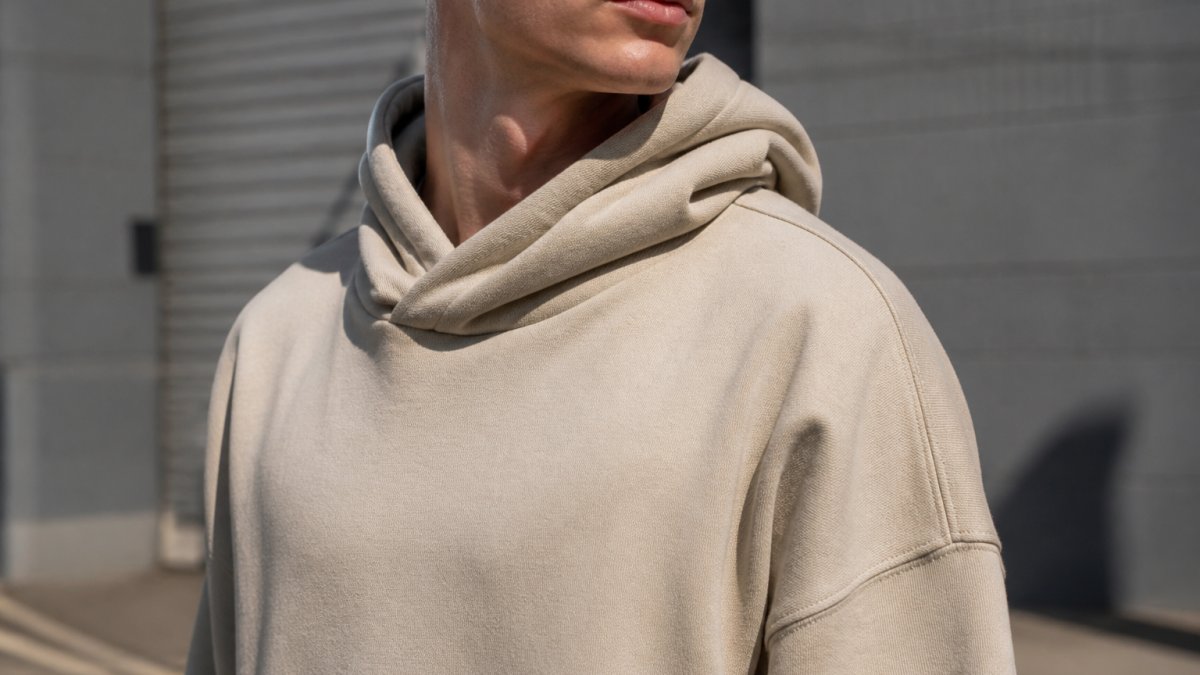
The streetwear market has historically prioritised rapid turnover and cost minimisation over longevity and ethics. Organic cotton streetwear flips this model. It demands that brands think differently about production timelines, material sourcing, and supply chain transparency.
The Environmental Impact: Organic Cotton vs Conventional Cotton
Conventional cotton production consumes enormous quantities of water and relies heavily on chemical pesticides that contaminate soil and waterways. The environmental cost of growing conventional cotton extends far beyond the farm itself, affecting ecosystems and communities in cotton-producing regions.
Organic cotton farming eliminates synthetic pesticides entirely and uses significantly less water through improved soil management and natural pest control methods. The soil itself becomes healthier over time, retaining moisture more effectively and supporting biodiversity. This regenerative approach means that organic cotton fields gradually improve rather than degrade with each growing season.
The difference in resource consumption is substantial. Conventional cotton production typically requires intensive irrigation, often in water-stressed regions where agricultural demand already strains local supplies. Organic methods work with natural rainfall patterns and build soil structure that retains moisture more effectively. Additionally, the absence of synthetic chemical runoff protects aquatic ecosystems and reduces the toxic burden on farming communities.
When you purchase organic cotton streetwear, you’re supporting agricultural practices that leave the land in better condition than they found it. This matters especially in regions where cotton farming is a primary livelihood. Organic certification standards require better working conditions, fairer wages, and community investment, creating a measurable positive impact beyond environmental metrics alone.
Benefits of Organic Cotton Clothing for Your Health and Comfort
Organic cotton feels different against your skin because it hasn’t been treated with the synthetic finishes and chemical residues common in conventional cotton processing. Many people notice improved comfort immediately, less irritation, better breathability, and a softer hand feel that improves rather than diminishes with washing.
The absence of pesticide residues means organic cotton garments are gentler on sensitive skin. For those with eczema, dermatitis, or general skin sensitivity, switching to organic cotton often reduces irritation and itching. The fabric itself breathes more effectively because it hasn’t been chemically altered to achieve specific properties, it retains the natural moisture-wicking characteristics that make cotton valuable in the first place.
Durability is another often-overlooked health benefit. Organic cotton garments tend to last longer because the fibres haven’t been weakened by harsh chemical processing. This means you wear each piece more frequently without degradation, which translates to fewer replacements and less waste cycling through your wardrobe.
The psychological benefit matters too. Knowing that your clothing was produced ethically and sustainably creates a tangible sense of alignment between your values and your choices. This isn’t superficial, the research on values-aligned purchasing consistently shows that conscious consumers experience greater satisfaction and longevity of use when they understand the story behind their clothes.
Ethical Considerations in Organic Cotton Production
Organic certification alone doesn’t guarantee ethical production. A garment can be made from organic cotton but still produced in conditions that exploit workers or use unsustainable energy sources. True ethical organic cotton streetwear requires transparency across the entire supply chain, from farming through manufacturing to final delivery.
Fair wages and safe working conditions are non-negotiable elements of ethical production. Organic cotton farming that pays workers poverty wages isn’t genuinely sustainable, it shifts environmental damage to social damage. Ethical brands commit to living wages, reasonable working hours, and safe conditions as baseline standards, not optional add-ons.
Manufacturing transparency matters equally. Ethical producers track their garments through every stage of production, can name the facilities where their clothes are made, and audit those facilities regularly for compliance with labour and environmental standards.
At DMBO DEEP, we go further by ensuring that a contribution from every item sold supports ocean conservation and mental wellbeing initiatives. This creates a direct link between your purchase and measurable positive impact.
The ethical dimension of organic cotton streetwear also includes packaging and shipping. Eco-conscious brands use minimal, recyclable, or compostable packaging and select shipping methods that balance speed with carbon impact. These details compound across thousands of purchases and represent genuine commitments to reducing overall environmental footprint.
Is Organic Cotton Worth It? The Real Value Proposition
The price difference between organic cotton streetwear and conventional alternatives reflects genuine differences in production costs, not just marketing positioning. Organic farming requires more labour-intensive pest management and typically yields less per acre than chemically intensive conventional farming.
The value proposition shifts when you factor in longevity. A premium organic cotton piece that lasts five years costs less per wear than a cheaper conventional garment replaced every two years. Streetwear designed for durability, with reinforced seams, quality construction, and timeless aesthetics, justifies its price through actual extended use, not just aspirational positioning.
Quality matters in ways that aren’t immediately visible. Organic cotton garments retain their shape better, resist pilling, and maintain colour vibrancy longer. The fabric feels better against your skin from day one and improves with washing rather than deteriorating. These tangible quality differences compound over time, making the initial investment genuinely economical.
Beyond economics, there’s the alignment factor. When your purchasing decisions reflect your values, you derive satisfaction beyond the functional utility of the garment itself. This isn’t irrational, it’s recognition that clothing is both functional and symbolic.
Limited-edition organic cotton streetwear adds exclusivity to this equation. When a design is restricted to just 250 pieces, you’re not just buying quality and ethics, you’re acquiring something genuinely rare.
How to Care for Organic Cotton Clothes to Maximise Their Lifespan
Proper care extends the life of organic cotton garments dramatically. Washing in cold water preserves colour and prevents the fibre degradation that heat causes.
Wash organic cotton pieces inside out to reduce fading and pilling. This simple step protects the visible surface whilst allowing water and detergent to reach the areas that actually contact your skin.
Air drying is preferable to machine drying. The heat from dryers weakens cotton fibres over time and can cause shrinkage, even in pre-shrunk garments. Hang-drying or flat-drying takes longer but preserves the structural integrity of the fabric and prevents the wear that tumbling creates.
Avoid bleach entirely. Organic cotton doesn’t require bleaching to stay white or bright, in fact, bleach damages the fibres and can cause yellowing over time. If stains occur, treat them with oxygen-based stain removers or simple solutions like white vinegar and bicarbonate of soda before washing.
Store organic cotton pieces in breathable containers away from direct sunlight. Plastic boxes trap moisture and can encourage mildew; cotton storage bags or shelving in a cool, dry space works far better.
Repair minor damage promptly. A small hole or loose seam is trivial to fix but becomes a major problem if ignored. Simple mending extends the life of a piece by years and represents a commitment to actually wearing what you own rather than cycling through disposable fashion.
Making the Switch: From Conventional to Organic Cotton Streetwear
The transition from conventional to organic cotton streetwear doesn’t require discarding your entire wardrobe.
Research brands that align with your values before purchasing. Look for transparency in their supply chain, certifications that verify their claims, and clear communication about where and how garments are made.
Expect to invest more upfront. The price difference is real, but understanding why, fair wages, sustainable farming, quality construction, limited production runs, makes the investment feel justified rather than excessive.
Quality and fit matter more than ever. Because you’re investing in pieces designed to last, ensure they fit your body and aesthetic perfectly.
Build your organic cotton wardrobe strategically. Start with neutral basics in colours and styles you know you’ll wear repeatedly. As you develop confidence in specific brands and fits, expand into bolder designs or statement pieces.
Connect with the community around conscious fashion. Brands like DMBO DEEP foster communities of customers who share values around sustainability and distinctiveness.
Making the switch to organic cotton streetwear represents a deliberate choice to align your wardrobe with your values.
At DMBO DEEP, we’ve designed our entire brand around this principle. Our limited-edition collections use responsibly sourced organic and recycled materials, each piece restricted to just 250 pieces to ensure genuine exclusivity.
Frequently Asked Questions
What are the main benefits of organic cotton clothing?
Organic cotton clothing is gentler on skin, free from synthetic pesticide residues that can cause irritation. It breathes better than conventional cotton treated with chemical finishes, keeping you comfortable throughout the day. The fibres are also stronger when grown without chemical pesticides, meaning organic cotton garments typically last longer with proper care. For sensitive skin or anyone concerned about chemical exposure, organic cotton offers measurable comfort and durability advantages.
Is organic cotton worth it compared to conventional cotton?
Organic cotton streetwear costs more upfront but offers better value over time. The garments last longer, feel better against your skin, and support farming practices that don’t deplete soil or contaminate water. If you wear fewer, higher-quality pieces rather than replacing fast fashion frequently, organic cotton becomes the more economical choice. Beyond personal benefit, your purchase supports farmers working without harmful pesticides and contributes to environmental restoration, making it worth the investment for conscious consumers.
How should you care for organic cotton clothes to keep them in good condition?
Wash organic cotton streetwear in cold water with gentle detergent to preserve colour and fibre strength. Avoid bleach and fabric softeners, which can damage natural fibres. Air-dry whenever possible rather than using a tumble dryer, which weakens the fabric over time. Turn garments inside out before washing to reduce fading. Store in a cool, dry place away from direct sunlight. These practices extend the lifespan significantly, making your investment last years rather than months.
What is the environmental difference between organic and conventional cotton?
Conventional cotton uses approximately 16% of global pesticides despite occupying only 2.5% of agricultural land, contaminating soil and water supplies. Organic cotton is grown without synthetic pesticides, herbicides, or fertilisers, preserving soil health and protecting water ecosystems. Organic farming also uses significantly less water and doesn’t contribute to the chemical runoff that damages marine environments. For brands like DMBO DEEP that support ocean conservation, choosing organic cotton directly aligns with protecting the ecosystems their mission defends.
Are organic cotton garments genuinely more durable than conventional cotton?
Yes. Organic cotton fibres are naturally stronger because they’re grown without chemical stress that weakens the plant. They also retain their structure better through washing and wear. Conventional cotton often relies on chemical treatments to achieve durability, which can degrade with repeated washing. When combined with quality construction, organic cotton streetwear maintains its shape, colour, and integrity for significantly longer, reducing the need for replacement and making it a more sustainable choice over time.
Why does organic cotton clothing cost more?
Organic cotton production requires more labour-intensive farming practices and certification processes that conventional agriculture avoids. Yields are often lower initially as soil recovers from chemical farming. Quality organic streetwear brands also invest in better construction and limited production runs rather than mass manufacturing. The higher price reflects genuine costs: fair wages for farmers, proper certification, smaller environmental footprint, and superior garment quality. This pricing supports sustainable supply chains rather than subsidising the hidden environmental costs of cheaper alternatives.
How can you verify that streetwear is genuinely organic cotton?
Look for recognised certifications such as GOTS (Global Organic Textile Standard) or Organic Content Standard (OCS) labels on the garment or brand website. These certifications verify organic farming practices and ethical production throughout the supply chain. Reputable brands like DMBO DEEP provide transparency about their sourcing and materials. Be cautious of vague claims like ‘eco-friendly’ or ‘natural’ without third-party certification. Check the brand’s website for detailed information about their suppliers, certifications, and production practices.